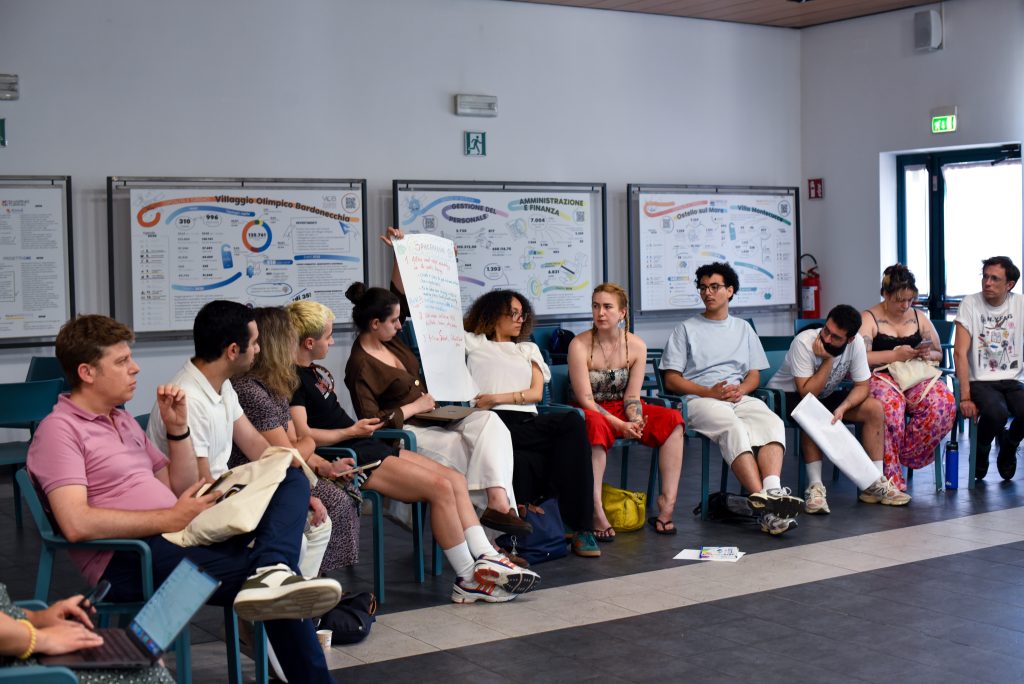
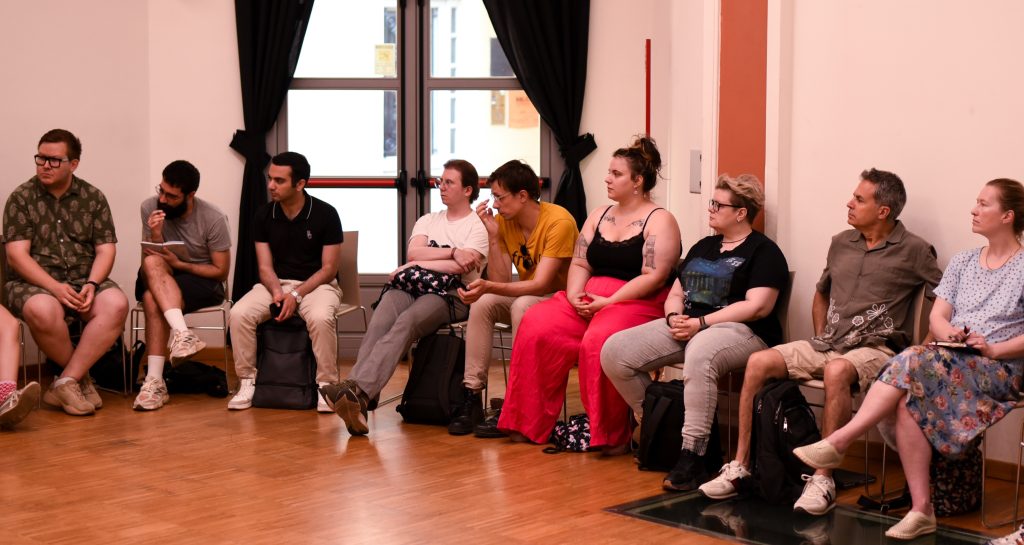
Turin, Italy — From June 17 to June 21, 2026, human rights educators, activists, trainers, and youth workers from across Europe gathered in Turin for the international conference “Stand for Our Rights: Resilience of Human Rights Education in an Era of Shrinking Spaces.” Organized by Giosef Torino, the project provided a timely platform for civil society practitioners to critically evaluate the challenges facing fundamental freedoms, exchange strategies, and co-create a unified position on democratic resilience.
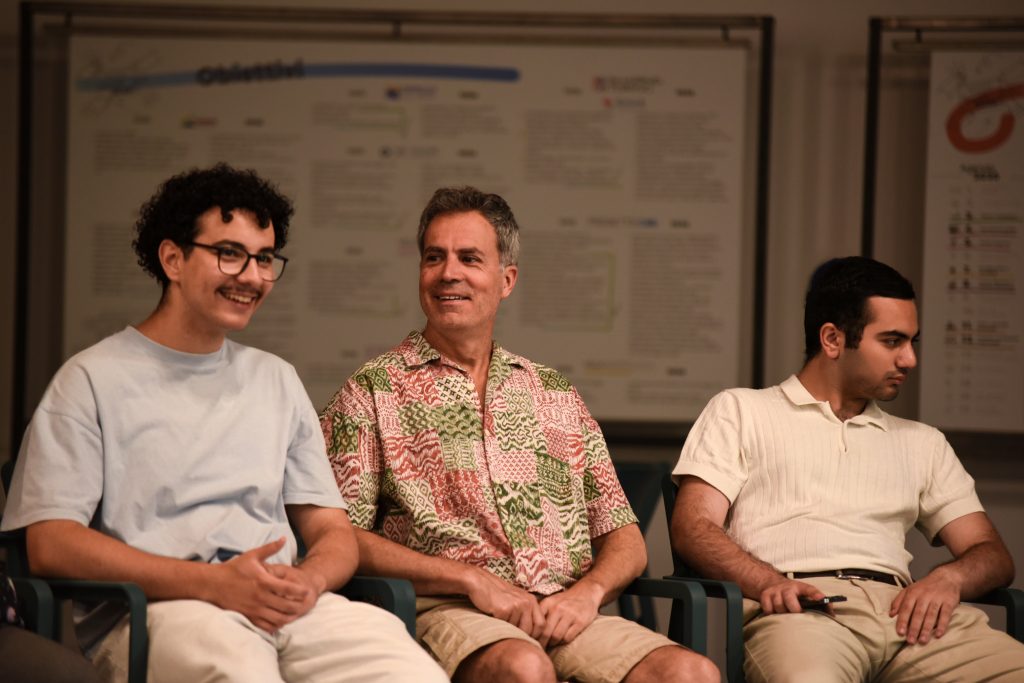
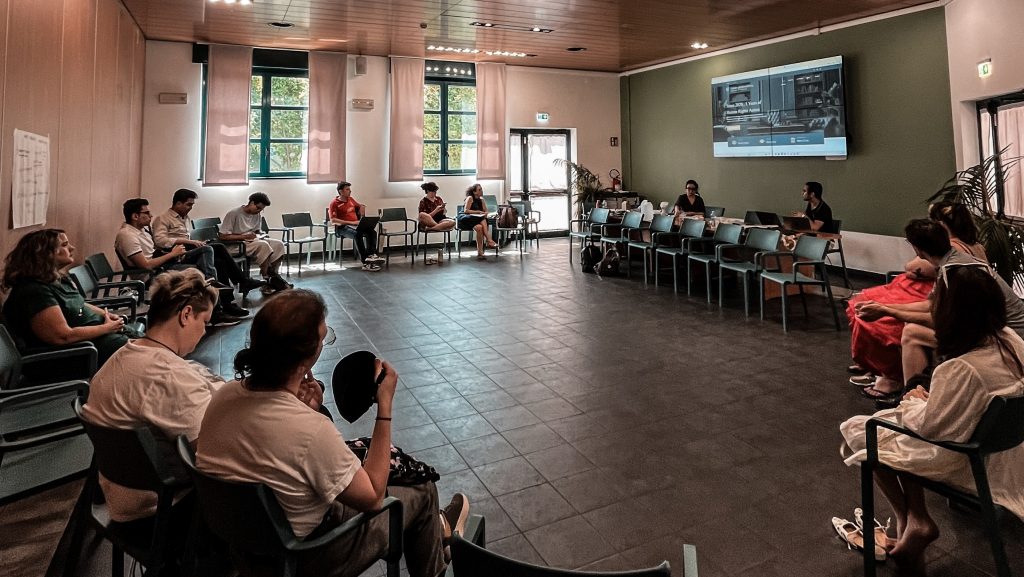
Representing the organization on the international stage, Arayik Grigorian, Vice-President of Themis International Human Rights Association, actively contributed to the working sessions and delivered a workshop titled “Human Rights Education and Modern Technologies: Creating AI-Driven Legal-Tech Solutions to Protect Democratic Spaces.”
Navigating Digital Repression and the Evolution of Civil Society
The session addressed how contemporary civil society operates within a landscape, where traditional civic spaces are increasingly squeezed by digital repression, algorithmic polarization, and legal manipulation. Highlighting that traditional Human Rights Education (HRE) must integrate modern technical literacy, Mr. Grigorian emphasized that defend-and-advocate methodologies must evolve to match automated and algorithmic threats. This approach ensures that advocates are not only aware of systemic human rights violations, but are also equipped with digital tools to document and counter them.

Drawing from recent initiatives, including study sessions at the Council of Europe in Strasbourg, the workshop highlighted the trajectory of Themis Labs, the specialized IT and legal-tech division created during Themis International’s strategic restructuring. Participants explored how the division’s emerging legal-tech ecosystem transforms theoretical institutional discussions into scalable software tools, bridging the gap between human rights advocacy, data protection, and digital resilience across Europe.
Interactive Sandbox: Live Prototyping of a Narrative-Checking Search Engine
Transitioning from theoretical frameworks into an interactive technical demonstration, Mr. Grigorian led a live sandbox session where participants co-designed a functional legal-tech solution in real time.
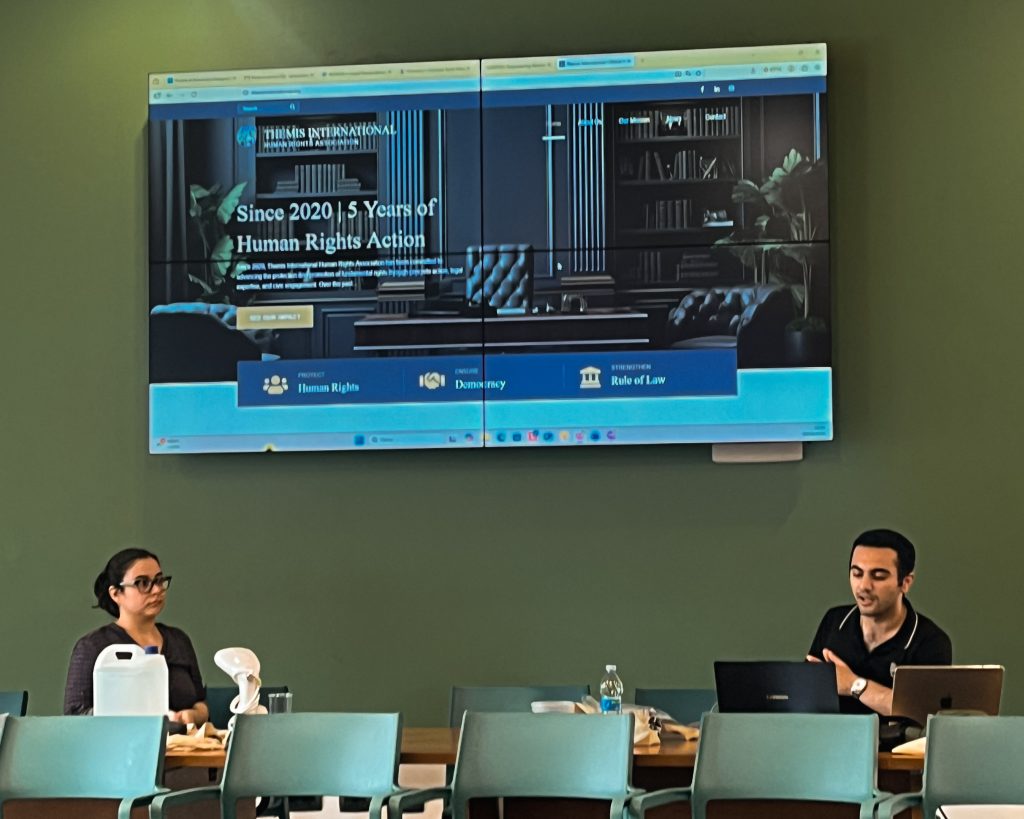
Responding to prompt parameters dictated directly by the audience, the group engineered an AI-driven narrative-and-fact-checking search engine centered on the principle: “See the facts. See the framing.” Designed as an educational and analytical tool, it evaluates user claims, provides fact verification, and categorizes how different media ecosystems, geographical regions, and cultural perspectives frame identical global events.
The exercise prompted constructive exchanges among European practitioners regarding ethical AI use, practical digital problem-solving, and compliance with emerging regulatory frameworks like the EU AI Act. As European institutions continue to actively deliberate the governance of artificial intelligence, the discussion underscored how human rights advocates can ethically utilize these tools while remaining aligned with evolving legal and safety standards. By grounding AI experimentation in real-world human rights scenarios, the session demonstrated how civil society can shape technology governance rather than merely reacting to it.
Fostering European Cooperation and Next Steps
Beyond the technical sessions, the conference served as a platform for concrete European networking and policy action. This outcome ensures that organizations remain connected, protected, and capable of sustained collective action in restrictive environments. Moving forward, participating organizations across the continent are advancing several joint initiatives:
- Pan-European Organization Database: Establishing a centralized registry of European human rights organizations to streamline resource-sharing, facilitate joint project applications, and maintain active inter-organizational communication.
- Finalization of the European Manifesto: Collaboratively closing the co-created European Manifesto to articulate a shared stance on civil society resilience and the protection of democratic spaces.
- Digital Community: Creating continuous digital forums and visual resource templates to support ongoing cross-border cooperation and capacity-building.
Themis International extends its sincere gratitude to Giosef Torino for organizing this impactful event and creating a space for European advocates to connect. We also express our appreciation to all the participating organizations, trainers, and activists whose diverse perspectives, solidarity, and collaborative energy made this initiative a true success.