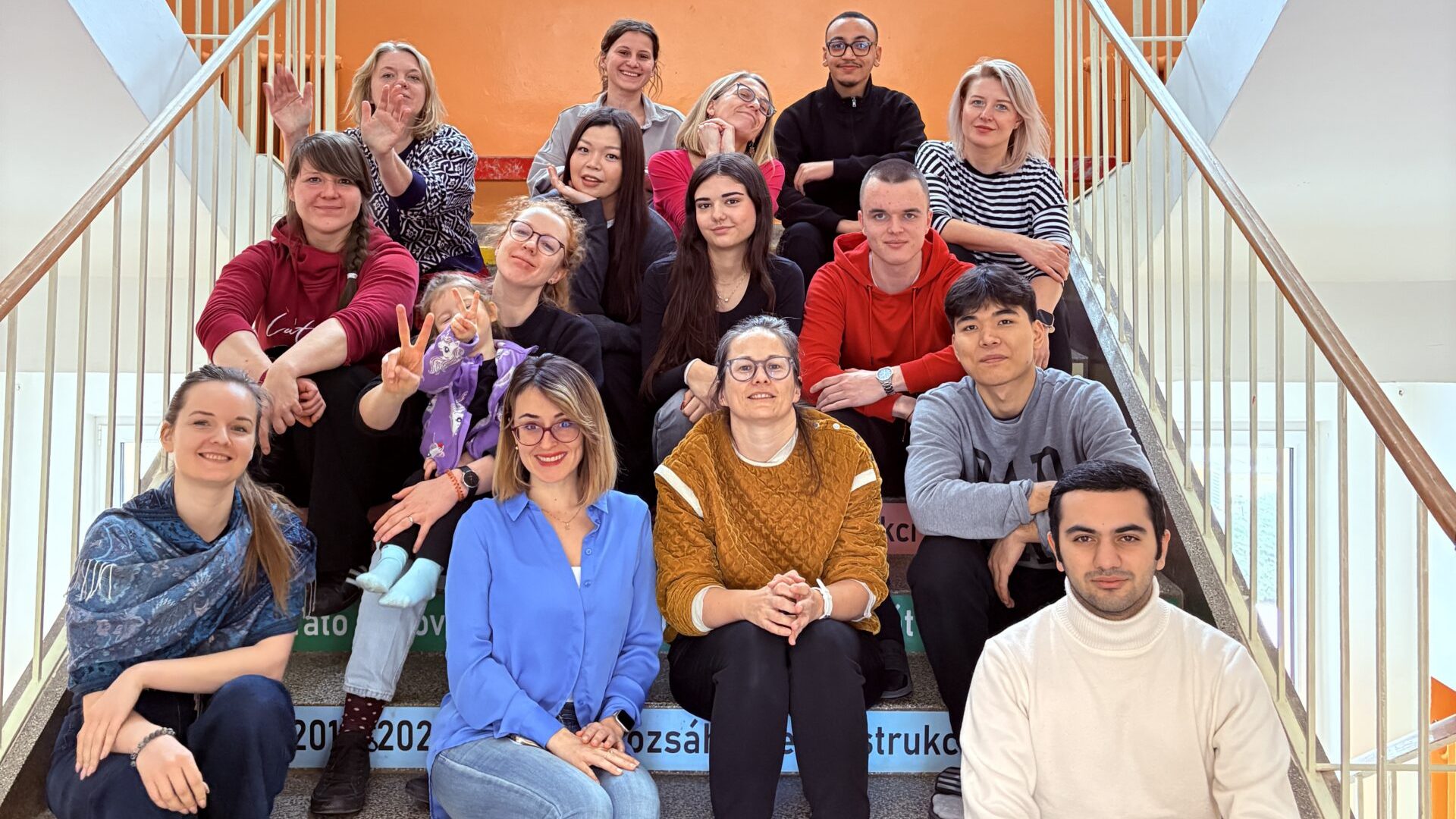
How can institutions, educators, and civil society organizations better understand the realities of Generation Z and Generation Alpha? Are traditional methods of engagement still effective, or must youth work evolve to meet the expectations of a new generation shaped by rapid technological change?
These questions were at the center of the Erasmus+ training course “Youth TOOLS Residencies,” organized by Mission: Reconnect and recently held in Ivančice, Czech Republic. The initiative brought together practitioners and professionals to rethink the tools used in contemporary youth work and civic engagement.
Arayik Grigorian, Vice President of Themis International Human Rights Association, joined experts from across Europe to represent Themis’s commitment to human rights education. Throughout the residency, participants explored how youth work practices can be adapted to reflect the digital-first realities of younger generations and how we can integrate effective methodologies in our activities. Below are the 5 key pillars identified during this training course.
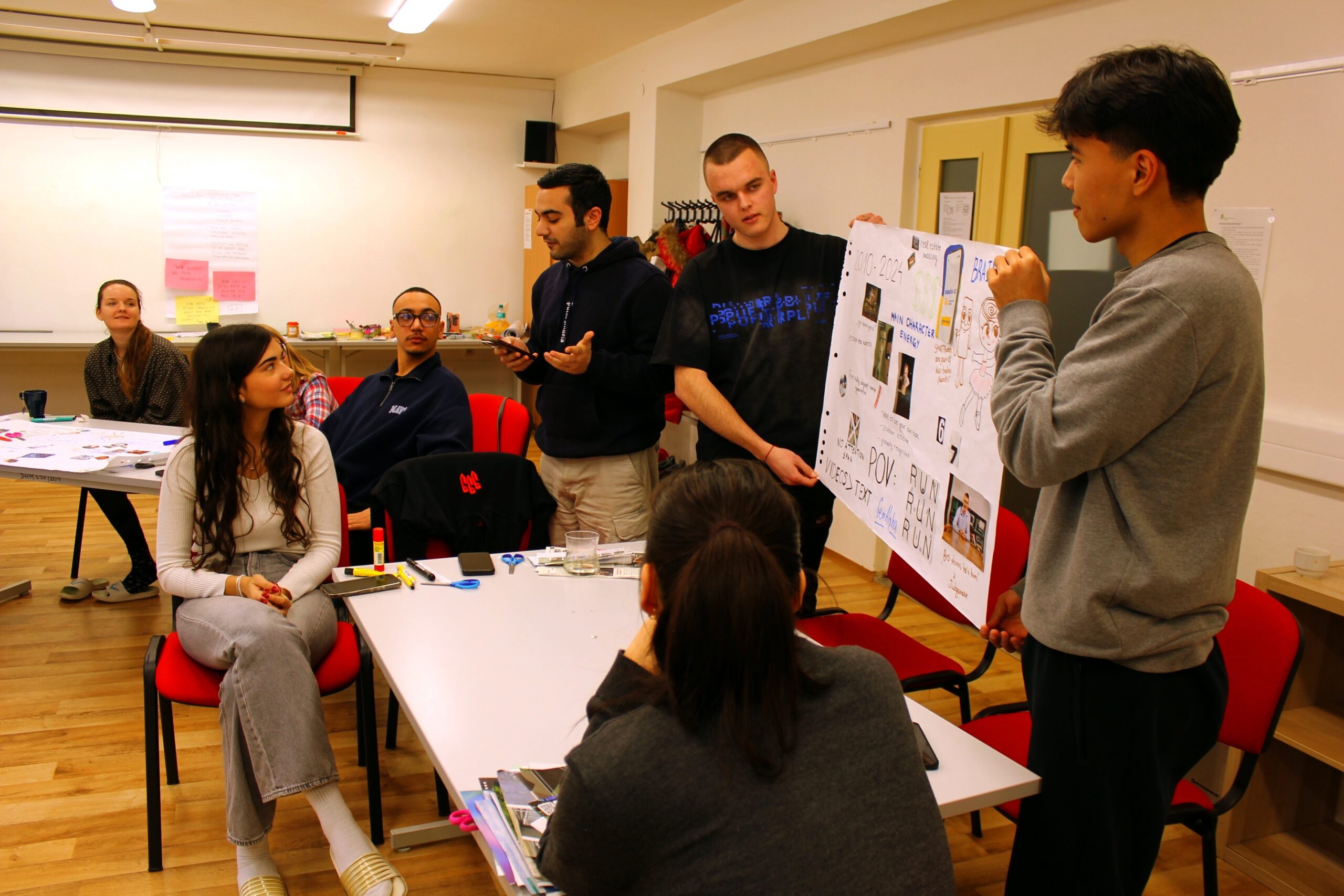
1. Utilizing Non-Formal Education Methodology
The project relied heavily on the methodology of non-formal education as a primary driver for civic participation. By working in small groups and sharing cross-border practices, participants explored how to create a positive learning atmosphere that encourages young people to “act and change” within their local communities. In modern youth work, the focus has shifted from top-down instruction to collaborative, peer-led exploration, recognizing that younger generations respond best to horizontal structures of authority. This approach allows for a more organic development of soft skills, such as critical thinking and democratic dialogue, which are often overlooked in traditional academic settings.
2. Assessing Tools through Design Thinking
As practitioners, we must evaluate whether our current resources are truly addressing the behavioral patterns and attitudes of Gen Z and Gen Alpha or if they are simply relics of a previous era. This involves a rigorous process of mapping existing resources, testing their efficacy in real-time, and adjusting them based on feedback from the youth themselves. By adopting this iterative process, youth work becomes a dynamic laboratory for social innovation rather than a static set of activities.
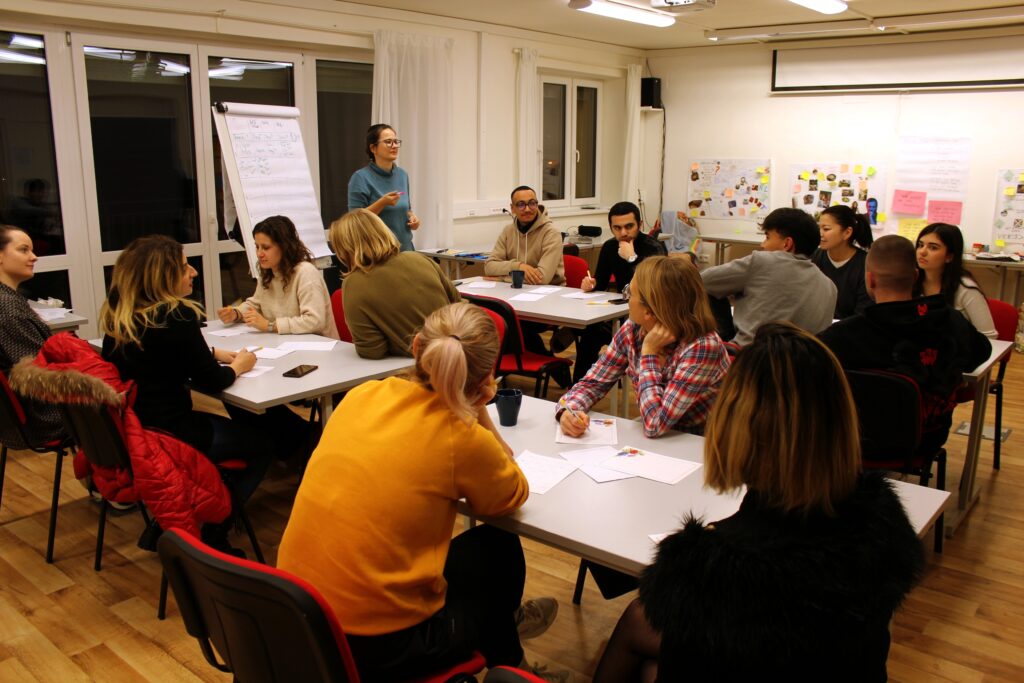
3. Navigating the Impact of AI and Mental Health
Modern youth work must account for the rapid rise of Artificial Intelligence and the increasingly complex mental health landscape. The project evaluated how these societal shifts create new needs regarding digital habits and emotional resilience, requiring practitioners to adopt more holistic, research-based support systems. Participants discussed the “always-on” nature of digital culture and how algorithmic environments can contribute to social anxiety and isolation. Understanding these nuances is essential for any organization aiming to foster meaningful empowerment, as the psychological well-being of young people is the foundation upon which all other civic engagement is built.
4. Administrative Pathways for Educational Innovation
During a study visit to Brno, Czech Republic, the group explored the administrative and legal frameworks required to establish alternative educational institutions. This served as a vital case study in how individuals can obtain formal accreditation to create schools that implement non-formal methodologies, bridging the gap between grassroots initiatives and national educational standards. This exploration highlighted the importance of “educational entrepreneurship” in providing diverse learning environments that cater to the unique needs of a changing society.
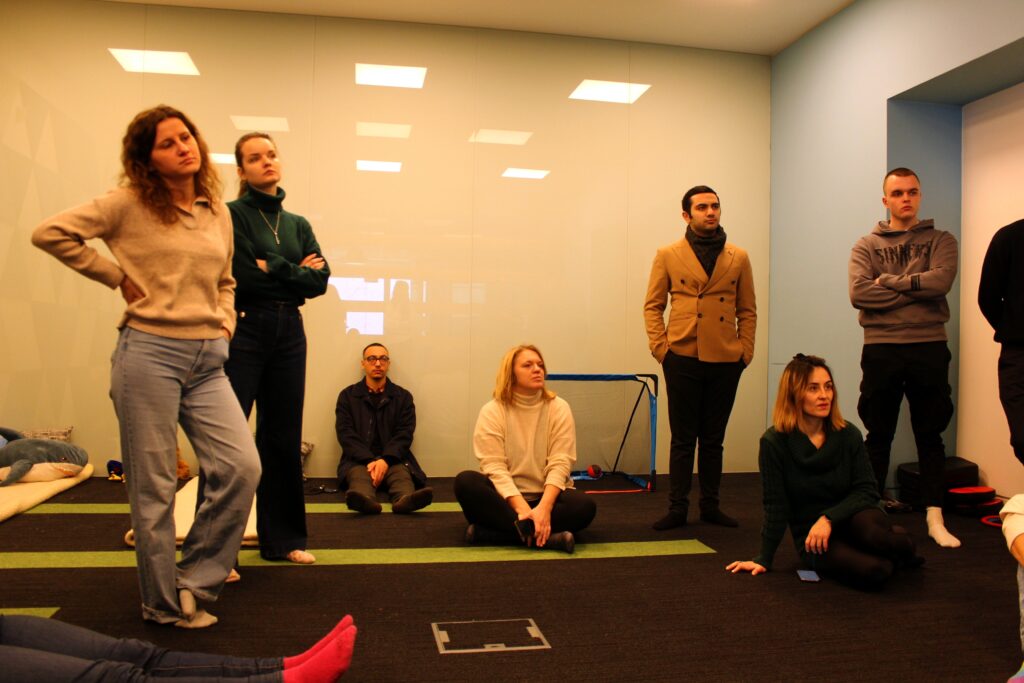
5. Professionalizing the Erasmus+ Framework
The final pillar is the commitment to international cooperation. By utilizing the Erasmus+ Programme, organizations ensure that these newly developed tools are shared through global dissemination activities, including online webinars and local workshops, to foster a more just and democratic society.
At Themis International, this perspective aligns closely with our broader mission. Promoting democratic values requires investing in young people and ensuring that their voices are respected in civic life. By integrating modern youth work into our human rights framework, we bridge the gap between institutional standards and the lived experience of youth across Europe.
We express our gratitude to Mission: Reconnect and the project partners for organizing this initiative. The rich exchanges and shared reflections made the experience both insightful and inspiring for the future of European youth work.